THCA Diamonds for Sale Online: Shipping, Returns, and Safety Checklist
Buying thca diamonds for sale online has a certain convenience to it. You can compare strains, purity claims, and price per gram without driving across town. Still, the online route comes with a few realities you have to plan for, especially when the product is sensitive, regulated in many places, and small enough that shipping https://ounceofhopetn.blogspot.com/2026/06/blog-post.html mishaps are easy to miss until it’s too late.
I’ve seen the whole range, from smooth deliveries in branded, padded packaging to situations where a package sat in a hot mailbox for days or a shipment arrived with a broken seal. The goal here is to help you shop with your eyes open, know what to expect in shipping, how to think about returns, and how to run a safety checklist that actually reduces risk.
If you’ve been searching for thca diamonds near me, this article helps you decide whether online is a better bet or whether local pickup would be safer for your situation.
What you are really buying when you buy THCA diamonds
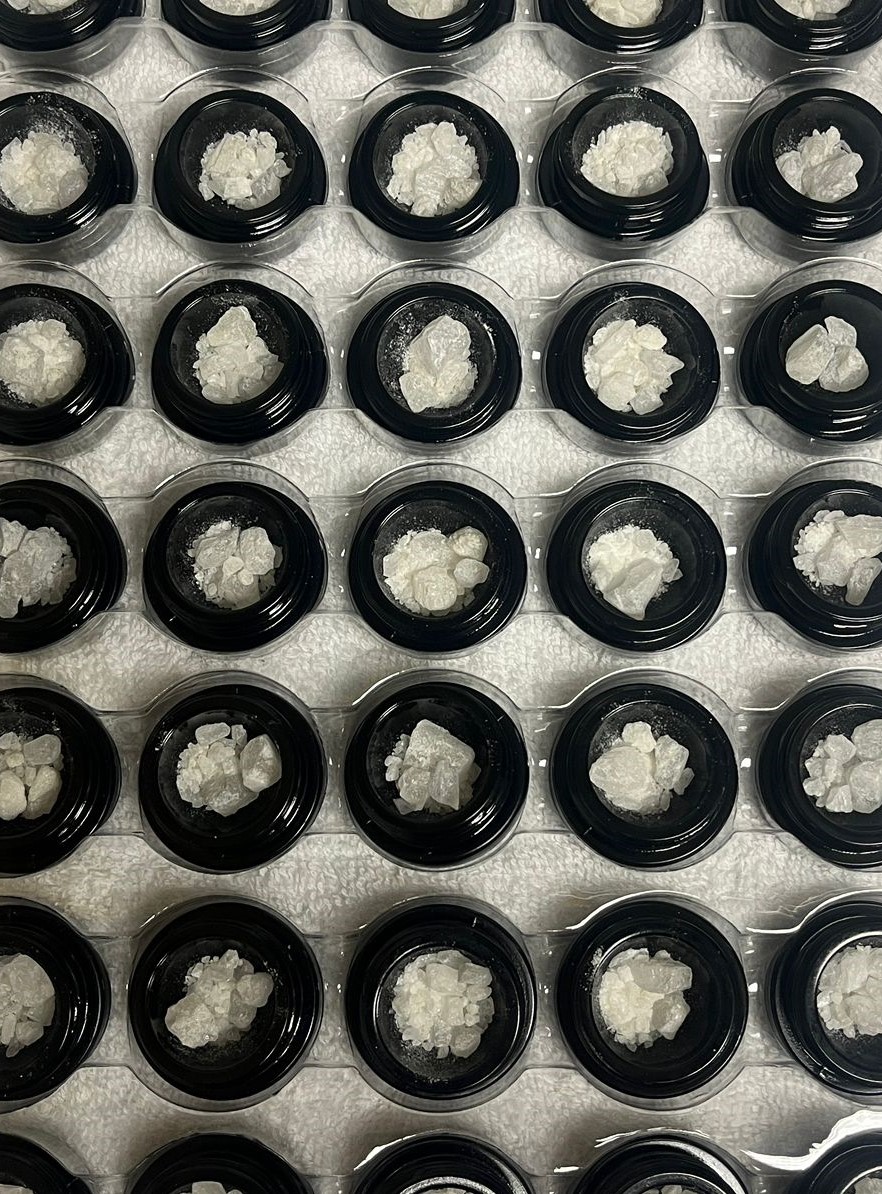
“Diamonds” is the common name, but it helps to understand what that usually means in practice. thca diamonds are typically crystalline material made from cannabis-derived concentrates. Many buyers care about two things above all: the crystal quality and the accuracy of what the label says.
Online listings can be vague, especially for beginners. You might see language like “high potency” or “clean and terpy,” but you should still look for specifics. For most shoppers, the best indicators are the presence of lab documentation (often a COA), clarity on cannabinoid content, and consistency in the product’s texture. Crystals should generally look uniform for the batch, not like a mix of random sizes with a bunch of obvious wetness or pooling liquid.
One more detail: people sometimes compare thca liquid diamonds to classic diamonds. That usually means you are dealing with a blend or a “diamonds and terp sauce” style product, where you may get more aroma and a slightly different consumption experience. If your priority is flavor, the “liquid” angle can be attractive. If your priority is handling and a stable, crisp texture, classic diamonds thca products are often easier to manage.
Before you order online: the decision points that prevent regrets
The online experience goes wrong in predictable ways. Not because sellers are always careless, but because buyers skip a few verification steps.
The first decision is whether the seller is transparent about what they ship. You want to see batch-based information, not just general brand claims. A listing that says “contact us for COA” can be workable if replies are fast and documentation is real, but it increases friction. If you want fewer surprises, choose vendors that put testing details on the product page or make them easy to access.
The second decision is your storage reality. Diamonds are concentrates, and concentrates behave better with correct temperature and airflow. If you live somewhere hot, you need to think about how your package will sit in transit and where it will sit after arrival.
The third decision is how you’ll use the product. People with higher tolerance often burn through ounces of less expensive concentrate and then decide they “need” diamonds for potency or flavor. That’s fine, but it changes how you should shop. If you’re experimenting, start with a smaller amount and test the consistency. If you already know what you like, go for the best best thca diamonds options that match your preferred texture and cannabinoid profile, then focus on shipping reliability and customer support.
Shipping: what to expect, what to watch, and how to protect your delivery
Shipping is where online orders either feel effortless or become a headache. Temperature swings, processing delays, and carrier handoffs all matter, and diamonds are not the kind of product you want baking on a truck.
Typical delivery timelines and the “processing delay” trap
When a listing gives a delivery window, pay attention to how it’s described. “Ships in 24 hours” and “ships within 2 to 3 business days” are not the same. Processing delays can stack with weekend handling, and even a short delay matters if you are ordering during hot weather or a period with major carrier backlogs.
If a seller provides tracking, use it actively. A package that’s “accepted” by the carrier and then doesn’t move for days is a different situation than a package that’s in transit and constantly updating.
Packaging quality: small details that matter
Good shipping is rarely glamorous, but it is effective. Look for signs of careful packaging practices in photos or descriptions. You want sturdy protection against crushing, and you want the package to be handled as a product that should stay intact.
In my experience, the best shipments have a few traits: the container is sealed, the outer packaging doesn’t look flimsy, and the shipment doesn’t bounce around freely. If the outer box rattles or the product container is loose during transit, you’re more likely to deal with broken seals or contamination risk.
Temperature control is harder to judge from a product listing, but you can infer a lot. If a seller clearly ships with weather-aware practices during hot or cold extremes, that’s a plus. If they don’t mention anything and the product is usually shipped in warm months, you can still reduce risk by selecting reliable delivery methods.
Practical steps to reduce shipping risk
You can’t control every variable, but you can control the delivery outcome. Consider delivery to a place where someone can bring the package inside quickly, especially during heat waves. If your home is usually empty mid-day, you may want delivery instructions that prevent long outdoor exposure.
If the seller offers options like signature confirmation, use it if you’re able to be available. Signature options can reduce theft risk and also keep the package from sitting outside for hours.
Finally, document the arrival. It sounds cautious, but it’s useful. Take a quick photo of the outer packaging upon arrival, and then take a photo of the seal before opening. If there’s damage, those images often make the difference between a smooth replacement and a long back-and-forth.
What to do when your shipment arrives: a quick, real-world inspection
When your order lands, don’t assume “intact shipping” automatically means “intact product.” Crystals can shift texture over time, especially if the package was exposed to warmth. You don’t need panic mode, but you do need a consistent inspection habit.
Open carefully and look for two categories of issues: physical damage and signs of leakage or contamination. If the container is cracked, if there’s obvious leakage around the cap area, or if the product appears unusually wet, you should treat it as a potential quality or handling problem rather than “just a little texture change.”
Also smell matters, but only as a contextual check. You’re not trying to diagnose anything with scent alone. What you’re looking for is whether the product smells consistent with the seller’s description and whether there are off-notes that suggest improper handling.
If you ordered thca liquid diamonds, your inspection also includes whether the liquid component separates in a way that seems extreme for the product type. Separation can happen in many concentrates, but “more than expected” after normal transit can be a handling red flag.
Returns and refunds: the rules you should read before you need them
Returns policies can vary widely. Some sellers treat damaged packages as a replacement issue, while others require you to request a return within a short time window. If you wait too long, you may still be able to get help, but you’ll be relying on goodwill rather than policy.
Before placing the order, check for three things on the site: the returns window, what qualifies as “defective” or “damaged,” and how they expect you to document the issue. A good policy doesn’t just list conditions, it tells you how they want the process started.
Here are the most useful policy elements to check:
- Returns or replacement request window (how many days after delivery)
- Requirements for photos or video proof (outer packaging, seal, product condition)
- Whether they cover shipping and label costs for returns
- If they require the product to remain sealed for a refund
- Whether they refund to original payment method or store credit
If you can only pick one habit, pick documentation. When sellers ask for photos, they usually want clarity. Blurry shots or “I’ll tell you what happened” delays everything.
The “burned through it already” problem
Some people open the product, use it the same day, and then discover an issue they want to return for. That can complicate eligibility, especially for consumable concentrates. In a lot of cases, sellers want the product to be unused or at least minimally handled if you’re asking for a full refund.
That doesn’t mean you can’t get help. It means you should plan. If you are ordering a new vendor and you’re trying thca diamonds for the first time, consider a mindset of testing quality rather than going all in immediately. Use a small amount, then keep your documentation if something feels off.
If your shipment is damaged in transit
If the outer package is crushed, if the container seal is compromised, or if the product appears leaking or broken, you should act quickly. Many policies require the problem to be reported within a set timeframe. Even if the exact cause is shipping-related, you will have better odds when you report early and provide clear photos.
Keep in mind that “damaged” can mean different things to different sellers. Some will treat minor cosmetic issues differently from broken seals or leakage. That’s why your inspection matters.
A safety checklist you can use every time
This is the part most people skip until something goes wrong. A good checklist doesn’t slow you down much. It just keeps you from relying on hope.
Use this checklist when you’re buying thca diamonds for sale online, especially if you are also comparing thca diamonds for sale across different shops:
- Confirm you’re getting batch-based lab results (COA) that match the product name and batch/lot number.
- Verify packaging integrity on arrival: intact seal, no leaking, no cracks in the container.
- Inspect texture and consistency for the product type you ordered (classic diamonds vs thca liquid diamonds).
- Look for clear labeling and clear contact info if something is wrong, including an easy path to support.
- Store and handle correctly after arrival, keeping it away from heat and unnecessary exposure.
A couple notes from real-world experience. First, COAs should feel readable, not like a scanned image of a random document. Second, “looks fine” is not enough if the container seal was broken. Third, proper storage is a safety issue as much as it is a quality issue. Heat can change consistency, and repeated temperature cycling can make products degrade faster than they should.
How to judge “quality” without getting tricked by marketing
You can find thca diamonds sold in a wide range of price points. Price alone is not quality, but extremely low prices can be a clue that you might be sacrificing something, often clarity in testing, batch transparency, or the time spent refining.
When you’re comparing sellers, focus on three things that are harder for marketing to fake: testing accessibility, consistency in appearance, and customer support responsiveness.
Testing accessibility
A seller who provides COAs readily is easier to trust. A seller who hides behind general statements creates uncertainty. If a product page includes lab data but doesn’t make it obvious how to match it to your specific batch, you’ll need to ask.
When you ask, pay attention to how they respond. Do they reply with concrete information, or do they dodge with vague reassurance? The difference matters.
Consistency in appearance
Diamonds should not look like they were mixed moments before packing. The crystals usually have a stable look, and the jar should contain a coherent product. Some minor variation is normal between batches. What’s not normal is a jar that looks like it was handled roughly, with obvious pooling or an inconsistent texture that suggests mixing problems.
For diamonds thca products, many buyers prefer a certain clarity or uniformity. That’s personal, but you can still spot outliers.
Customer support responsiveness
If you’ve ever tried to chase down shipping problems or missing labels, you know how much time customer support can save you. Before you buy, scan whether the seller lists a support email or uses a consistent contact form. Then check how they handle basic questions, like availability of COAs or whether they ship during extreme weather.
Common pitfalls when buying diamonds online
Even careful shoppers make the same mistakes, and they usually happen for predictable reasons.
One pitfall is assuming the words “THCA” and “diamonds” automatically mean the same product quality across vendors. Vendors can start from different inputs and use different processing styles. The experience can vary, especially in how crystals hold together and how flavor carries through.
Another pitfall is ignoring the difference between classic diamonds and thca liquid diamonds. If you buy for a certain mouthfeel or dabbing behavior and expect it to match a different product type, you might judge quality incorrectly.
A third pitfall is treating shipping as an afterthought. If you live in a region with high summer heat, prioritize delivery practices that minimize time outdoors. If you’re in a colder region, think about how long it might sit in transit and whether the seller uses packaging that protects against freezing stress.
Buying strategy: how to pick your first order (and your second)
If you’re new to thca diamonds for sale online, you don’t need to buy the most expensive jar on day one. You need an order that teaches you what matters to you.
Start with a smaller amount from a vendor that provides clear testing and a reasonable, transparent shipping policy. Then inspect the arrival, note the texture, and pay attention to how it handles in your preferred consumption method. If the product fits your expectations, you can confidently reorder.
If you already know what you like, you can move faster. Still, I recommend you don’t skip the shipping and returns review just because you trust the brand. The vendor might be the same, but the batch, carrier, or season can change how the shipment behaves.
Where “near me” can still matter
People search for thca diamonds near me for good reasons. Local pickup can reduce shipping time, and it can reduce the chance of long outdoor exposure. It also lets you ask questions in person, which is valuable if you’re worried about potency claims, labeling clarity, or storage practices.
The trade-off is selection. Online stores often have more consistent options for batch and product form. If you find a seller with solid documentation, fast support, and reliable packing, online can be just as safe, sometimes safer, than an unfamiliar local source. The key is verifying before you commit.
Final safety mindset: treat it like a high-value concentrate
Diamonds are concentrates, and concentrates deserve the same level of care you would give to any other high potency, sensitive product. That means verifying lab information, checking seals, documenting arrival condition, and knowing your return options.
If you’re building a routine for thca diamonds for sale, you’ll get better outcomes by combining judgment with process. Check the product page, confirm testing matches your batch, plan for a delivery location that keeps the package from sitting, and keep your inspection habit consistent.
That’s the difference between “my order arrived fine” and “I can prove what happened and get help quickly if it didn’t.”
If you want, tell me your general location (state or country) and whether you’re considering classic thca diamonds or thca liquid diamonds, and I can tailor a shipping and returns checklist to your local conditions, including what to watch for during hot or cold seasons.